
Most households try to save power by turning off lights and limiting air-conditioner use. But there is one hidden energy drain almost everyone ignores. It comes from everyday appliances that are technically “off” but still plugged in. Over a full year, this small habit can quietly adds hundreds of dollars to your electricity bill.
Here is the quick summary of what we cover below:
Appliances on standby still use power. It costs the average Australian household $240–$320 every year for energy you’re not even using.
Across the country, standby power creates around 5 million tonnes of carbon emissions which equivalent to over 1 million cars on the road.
Simply switching appliances off at the wall (especially TVs, entertainment systems and chargers) can save you hundreds of dollars and cut emissions immediately.
Let’s clear up the biggest myths about standby power.
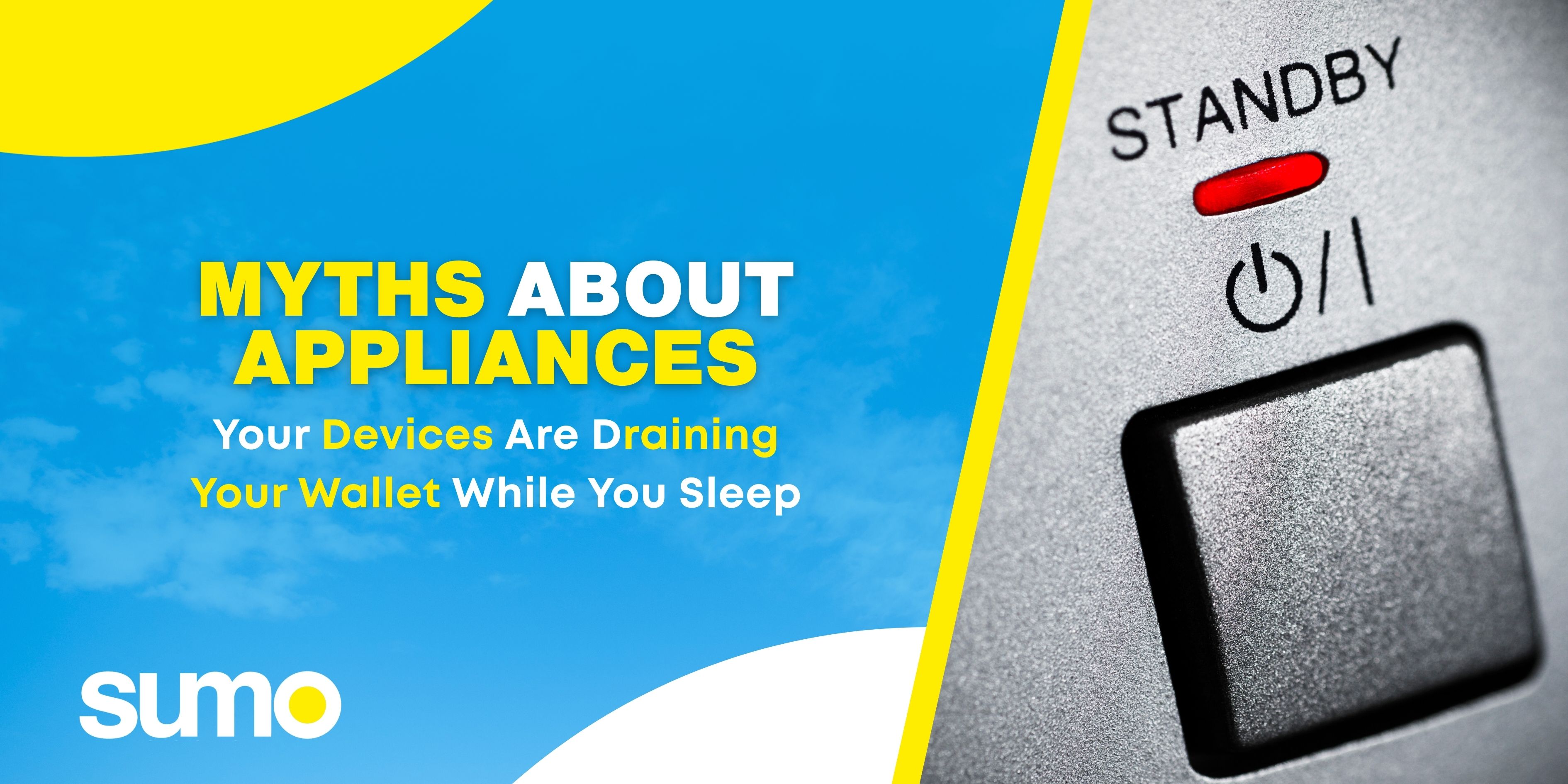
Myth 1: Leaving appliances on standby doesn't waste energy.
Reality: Your "off" appliances are silently draining over 11% of your electricity bill.
We've all heard it before. "It's on standby, not running, so it's not using power." It's the logic that feels right, sounds right, and has cost Australian households millions over the years.
Time to bust this myth wide open.
The Uncomfortable Truth About Standby Power
Walk into any Australian home right now and count the glowing lights. Your TV's red standby dot. The microwave clock. The phone charger is still plugged into the wall. They look harmless, don't they? Just sitting there, quietly, doing nothing.
Here's what government research reveals: these standby devices are silently draining around 11.6% of your household's electricity consumption (Energy rating).
Let's put real numbers to this. The typical Australian home consumes approximately 92.2 watts of standby power, which translates to about 807 kilowatt-hours per year (Energy rating).
At current electricity rates of 30-40 cents per kilowatt-hour across most Australian states, standby power alone is costing you between $240 and $320 annually. That's money evaporating into thin air while you sleep, watch Netflix, or go to work.
Myth #2: "My Small Actions Don't Matter"
Reality: Standby power across Australia emits as much carbon as over a million cars.
It's easy to think, "Sure, I'm wasting a bit of power, but it's just me. How much difference can it make?"
Here's how much: The level of standby power consumption across Australia was estimated to result in the emission of nearly 5 million tonnes of carbon (Energy rating). That's equivalent to the annual emissions of over a million cars.
When millions of Australian households collectively waste over 800 kilowatt-hours per year on standby power, it has a significant environmental impact. Your individual actions, when multiplied across the country, become an essential contributor to Australia's carbon footprint.
Every watt you save by switching off at the wall is a watt that doesn't need to be generated from coal or gas.
What You Can Do Today: Turn Myths into Savings
The beauty of busting these myths is that the solution is straightforward. You don't need expensive smart home systems or energy consultants. You need to build better habits.
Immediate Actions (Do These Tonight):
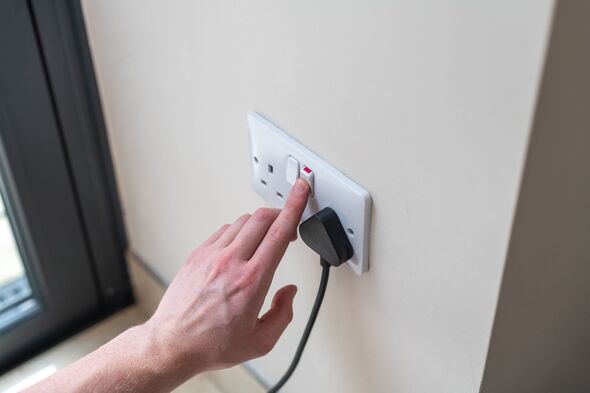
- The nightly power-down lap: Before bed, walk through your home and switch off appliances at the wall, not just with the remote or the appliance's button, but at the actual power point. Make it a ritual, like locking the doors.
- Target entertainment systems first: Your TV, gaming console, sound system, and set-top box together are likely your most significant standby power drain. One power board with a switch can shut them all down instantly.
- Unplug chargers: Phone and laptop chargers draw power even when nothing's plugged into them. Get into the habit of unplugging them when not in use, or use a power board you can switch off.
- Check your kitchen: That microwave clock, the coffee machine on standby, the bread maker plugged in permanently. They're all drawing power 24/7. Switch them off at the wall when not in use.
Stop Paying for Nothing
Those standby lights represent one of the easiest ways to save energy in the household. You're already paying for the appliances. You're already using them when you need them. However, you're also paying an extra $100 - $300+ per year for them to sit there doing absolutely nothing while you're not using them.
The myths about standby power persist because they're convenient. It's easier to believe that leaving everything on standby is harmless than to take the extra second to switch things off properly.
Start tonight. Walk through your home. Count those glowing lights. Then turn them off, one by one.
Your wallet and the planet will thank you.
Want to save more?
Enter your postcode to check if a cheaper electricity plan is available where you live
Sources:
Equipment Energy Efficiency (E3) Committee, "Standby Power – Current Status October 2006
No Comments Yet